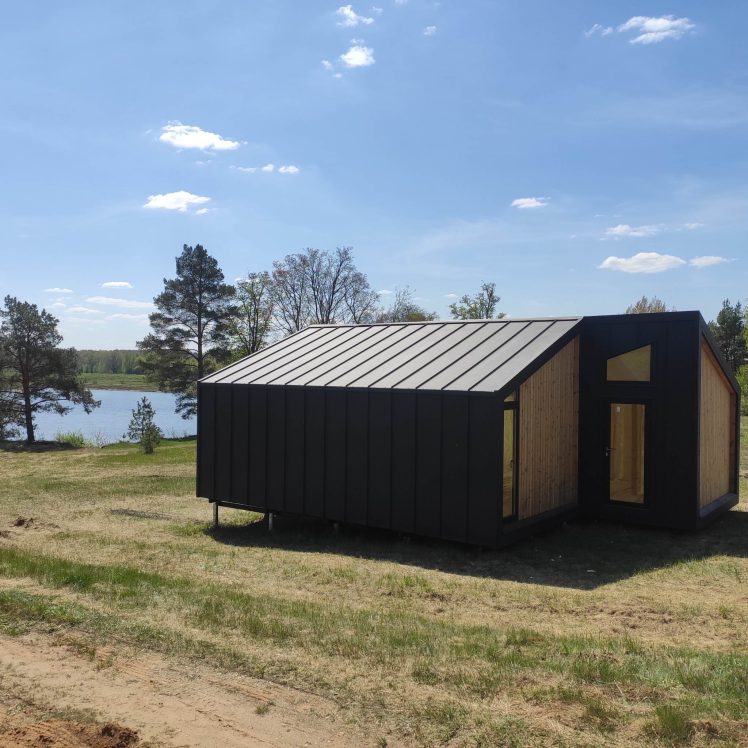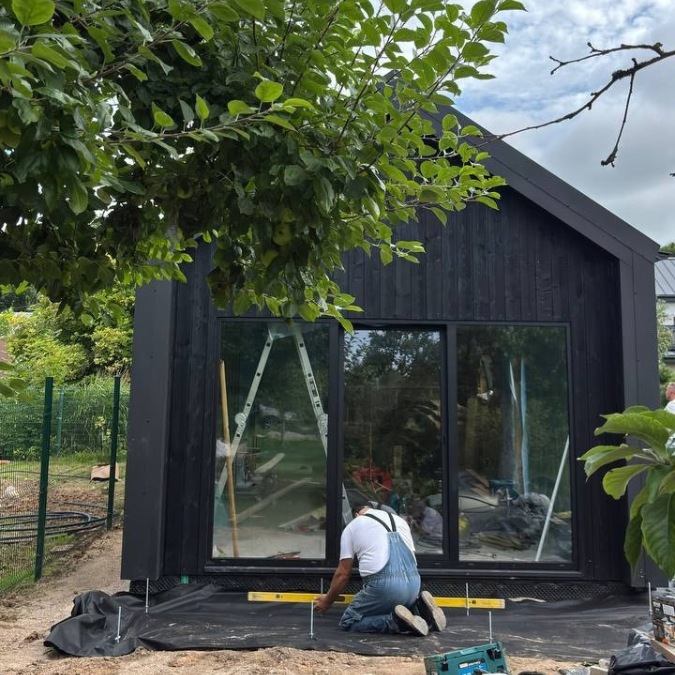
As autumn arrives, it is worth thinking not only about making your home cosy, but also about preparing it for colder weather. A modular home can remain comfortable and warm throughout winter, but it is important to assess the heating, ventilation, water systems, windows, doors and overall condition of the building in advance.
With proper preparation, the winter season will require less effort, and your home will be ready for both cold temperatures and wetter weather. This is important whether you live in the home all year round or use it as a seasonal retreat.
Modular Home in Winter: Where Should You Start?
Start by inspecting the home inside and out. Autumn is a good time to identify minor issues that could become bigger problems during winter. Check the facade, roof, windows, doors, terrace and any areas where water might collect.
Pay particular attention to airtightness. If you feel cold air coming through the windows or doors, check the seals and other joints. Good airtightness helps retain heat indoors and reduce heat loss.
If you are planning to build a new modular home for winter use, these solutions should be considered during the design stage. MM Statyba can adapt the home to your individual needs, including insulation, window and door placement, and other structural features.
Check the Home’s Insulation
One of the most important factors affecting comfort during the colder months is insulation. Insulated mobile homes can also be used during colder seasons, but their construction and insulation solutions should be selected according to their intended use.
If mobile homes are designed for year-round living, it is worth assessing the insulation of the walls, floor and roof in advance. The better the insulation system is planned, the easier it will be to maintain a comfortable indoor temperature.
MM Statyba can tailor insulation solutions to the requirements of each project. Different materials and insulation thicknesses can be selected depending on whether the home will be used throughout the year or only during certain seasons.
Evaluate the Heating System
Before temperatures drop, check that the heating system is working properly. Whether your home uses electric heating, a heat pump or another heating solution, it is better to test the system in advance rather than wait for the first frost.
Make sure the heating equipment distributes heat evenly and that there are no areas where rooms cool down too quickly. It is also worth checking the thermostats and other controls.
If you are planning to order a modular home, the heating solution can be selected during the design stage. This allows you to plan the space for the equipment, electrical outlets and other necessary features in advance.
Don’t Forget About Ventilation
During winter, it is natural to want to retain as much heat as possible, which sometimes leads people to avoid ventilating their homes. However, proper ventilation is important for both comfort and indoor air quality.
Regularly replacing indoor air helps reduce excess moisture. Pay particular attention to the bathroom, kitchen and other areas where more steam is produced.
The key is to find the right balance: the home should be sufficiently airtight to avoid unnecessary heat loss, while still providing adequate ventilation and air circulation.
What About Water Supply and Utility Systems?
If your modular home is used throughout the year, check the water supply and wastewater systems before winter. Make sure the pipes are adequately protected against freezing and that there are no areas in outdoor utility systems where water could accumulate.
If your mobile home is used only in summer and will remain unoccupied during winter, the preparation process may be different. In this case, it is important to prepare the water system properly to prevent freezing water from damaging pipes or equipment.
That is why it is worth considering how the home will be used before purchasing it. A modular mobile timber-frame home or cabin can be adapted to different needs, but utility systems should be planned according to the intended use.
Check the Windows and Doors
Windows and doors are among the main areas through which heat can escape. Before winter, check that the doors close properly, there are no gaps and the window seals remain airtight.
If you are planning a new mobile timber-frame home, the window and door positions can be determined according to the overall layout. This is particularly important in a smaller home, where every design decision affects both natural light and the indoor heat balance.
Don’t Forget the Roof and Rainwater Drainage
During autumn, more leaves, moisture and other debris accumulate on the roof and around the home. Before winter, inspect the roof, rainwater drainage systems and the areas around the foundations. Make sure water can drain freely and does not collect next to the building. It is also worth removing accumulated leaves from the roof and gutters.
If your home has a terrace, inspect its structure as well. Wooden, thermowood and WPC terraces can be used during the colder months, but their condition should also be checked before winter.
What If the Home Will Not Be Used During Winter?
Not all mobile homes are intended for year-round living. If you have a garden cabin, holiday home or guest house that will remain unoccupied during winter, the preparation process will be slightly different. In this case, it is worth taking the following steps:
- Protect the water supply system against freezing.
- Check for potential points where water could enter.
- Close all windows and doors.
- Remove food and belongings that could be damaged by moisture.
- Make sure excess moisture does not accumulate indoors.
- Check the electrical and heating equipment before leaving.
The most important thing is not to leave the home unchecked until spring. Even a budget-friendly mobile home requires proper maintenance to ensure it can be used comfortably again after winter.
Winter Preparation Should Begin Before Construction
If you are only considering buying a modular home, winter preparation starts not in autumn but during the planning stage. The home’s size, construction, insulation, windows, doors, heating and utility systems will all affect how comfortably it can be used during the colder months.
MM Statyba manufactures modular, mobile and timber-frame homes that can be customised to meet individual needs. Interior layouts, window and door positions, insulation and other project features can be adjusted. Depending on your requirements, you can also plan a terrace, utility connections and other additional features.
There is no single solution that suits everyone. One customer may need a modular cabin for seasonal holidays, while another may be looking for a modular mobile timber-frame home for year-round living.
A Modular Home Can Be Comfortable in Winter with the Right Preparation
Winter is not a reason to stop using a modular or mobile home. The key is to assess the insulation, heating, airtightness, ventilation and utility systems in advance, and to inspect the main structural elements and equipment before temperatures drop.
If you are planning to use a modular home during winter, it is worth discussing these factors before placing your order. MM Statyba can help tailor the home to the way you intend to use it and the seasons in which you plan to live in it.