A terrace becomes a natural extension of your home during the warmer months. It’s where you enjoy your morning coffee, have dinner with family, meet friends or simply unwind after a long day. However, once the sun sets, your terrace can become less functional without proper lighting. Well-planned terrace lighting allows you to enjoy your outdoor space for longer, creates a cosy atmosphere and helps you move around safely after dark.
When planning your lighting, it’s important to consider not only the appearance of the fixtures but also their purpose, weather resistance, electrical installation and the layout of your terrace. Whether you have a small terrace next to a modular home or a spacious relaxation area in your garden, the right lighting can transform the entire atmosphere.
Why Is It Worth Planning Terrace Lighting in Advance?
Terrace lighting serves several purposes. It helps you move around safely, makes outdoor furniture more practical to use and creates an inviting environment where you’ll want to spend more time. Lighting can also highlight the terrace structure, plants or the exterior of your home.
Ideally, lighting should be planned while designing the terrace. This makes it easier to determine electrical outlet locations, cable routes and fixture placement, helping you avoid additional work later.
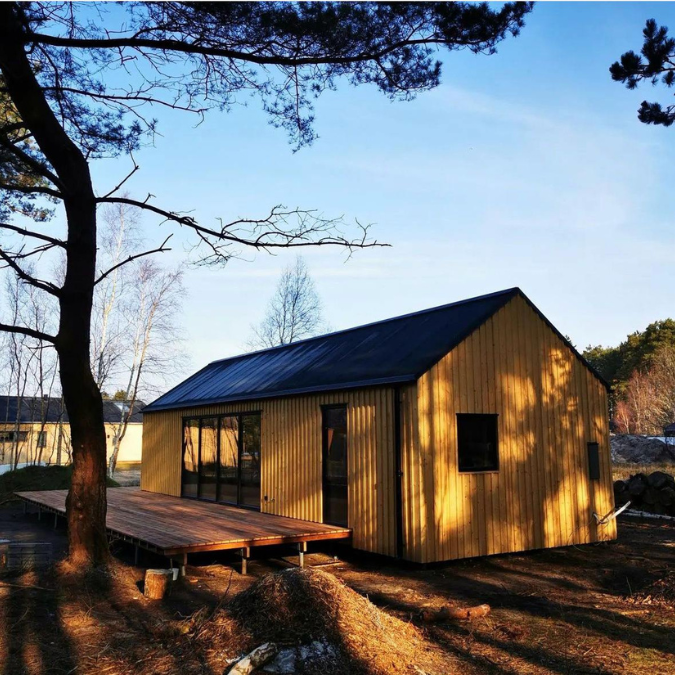
If you’re building a terrace next to a modular home, consider how the lighting will complement the windows, doors and exterior finishes. This helps create a cohesive look between the house and its surroundings.
Which Terrace Lights Should You Choose?
There is no single lighting solution that works best for every terrace. The right choice depends on its size, structure, how you intend to use it and the atmosphere you want to create. In many cases, combining several types of lighting produces the best results.
Wall Lights
Wall lights are ideal for terraces directly connected to the house. They can illuminate the entrance, doors or part of the seating area. They’re a practical option when you want permanent lighting without taking up space on the floor or table.
When choosing wall lights, consider the colour of your exterior walls, finishing materials and overall architectural style. Minimalist fixtures often complement modern homes, while warmer tones and classic designs can enhance a more natural exterior.
Recessed Floor and Step Lights
If your terrace has steps or different levels, recessed lighting can make changes in elevation easier to see. These fixtures can also subtly highlight the edges and outline of your terrace.
It’s important to choose products designed for outdoor conditions and suitable for their specific installation location and expected loads. Lights installed in decking or steps must be able to withstand moisture and other environmental factors.
String Lights and Decorative Lighting
For a cosy atmosphere, consider string lights, decorative fixtures or portable outdoor lamps. They work particularly well on terraces used for evening gatherings, dinners with friends or small celebrations.
String lights can be attached to a pergola or roof structure, dedicated supports or other suitable mounting points. Always ensure they are installed securely and designed for outdoor use.
Decorative lighting should not be the only source of light if you plan to dine or move around actively on the terrace. It works best when combined with functional lighting.
Warm or Cool Lighting?
The colour temperature of light has a significant effect on how your terrace looks in the evening. Warm lighting generally creates a more relaxing and inviting atmosphere and pairs beautifully with wood, plants and natural finishing materials.
Neutral lighting can be more practical in areas where you need to see surfaces clearly or carry out specific tasks. For example, a food preparation area or outdoor worktop may benefit from brighter, more neutral light.
Avoid excessively bright fixtures that shine directly into your eyes. A terrace is primarily a place to relax, so the lighting should feel comfortable and pleasant rather than harsh or glaring.
How to Light Different Terrace Zones
If your terrace serves several purposes, consider dividing it into functional zones. Each may require a different lighting solution.
- Dining area. Install a light above or near the table to illuminate food and the tabletop adequately. If the terrace is covered, ceiling-mounted or pendant outdoor lights may be suitable, provided they are rated for the conditions.
- Relaxation area. Softer lighting is usually best here. Wall lights, string lights or freestanding outdoor lamps can create a more peaceful atmosphere.
- Steps and pathways. Safety is the priority in these areas. Lights should clearly illuminate steps, edges and walking routes without causing glare.
- Plants and landscaping. Directional lighting can highlight ornamental plants, trees and other garden features. However, avoid directing light into neighbours’ windows or areas where it could disturb others.
Even a small terrace doesn’t need a large number of fixtures. A few carefully chosen light sources often work better than an excessive mix of mismatched lighting.
Terrace Lighting for a Modular Home
If you’re planning a modular home with a terrace, it’s worth coordinating the house and terrace designs from the beginning. This helps create a cohesive exterior while ensuring the electrical installation is practical.
For example, wall lights can illuminate the exit from the house, while additional fixtures can light the dining or relaxation area. If the terrace is covered by a roof, overhead lighting may be an option. For an open terrace, wall-mounted, recessed or other weather-resistant fixtures may be more appropriate.
MM Statyba offers modular and timber-frame homes that can be adapted to individual needs. When planning your home, consider discussing window and door placement, terrace positioning and electrical requirements in advance. This makes it easier to incorporate your preferred lighting solutions later.
Are Solar-Powered Lights Worth Considering?
Solar-powered outdoor lights can be a convenient option when you want to avoid installing additional electrical cables. They’re suitable for decorative lighting, garden paths and selected areas of the terrace.
However, their performance depends on the amount of sunlight they receive, the season and the specifications of the product. During autumn and winter, when days are shorter and sunlight is limited, they may provide less light or operate for fewer hours.
If you use your terrace frequently and need reliable lighting for safe movement, consider other options as well. Solar lights can complement your main lighting system, but they may not always be a complete replacement.
Safety and Weather Resistance
Terrace lights are exposed to rain, moisture, temperature fluctuations and dust, so it’s important to choose equipment designed for outdoor use. Before purchasing fixtures, check their IP rating and make sure it is appropriate for the installation location.
It’s also useful to plan separate switches or controls for different lighting zones. This allows you to turn on only the lights you need at any given time.
How to Create a Cosy Atmosphere Without Increasing Energy Costs
Terrace lighting doesn’t have to be expensive or consume large amounts of electricity. Start by choosing energy-efficient LED fixtures and illuminating only the areas where light is needed.
Motion sensors near entrances or pathways, timers and separate controls for decorative lighting can also help reduce energy consumption. These solutions prevent lights from remaining on throughout the evening or night when they’re not needed.
You can create a cosy atmosphere through the placement of light rather than simply increasing its intensity. Instead of relying on one very bright fixture, consider several smaller lights that softly illuminate different areas.
What Should You Consider Before Installing Terrace Lighting?
Before starting the work, it’s useful to answer a few questions:
- At what time of day will you use the terrace most often?
- Will it include a dining area, relaxation zone or food preparation space?
- Will the terrace be covered by a roof or completely open?
- Where will brighter lighting be needed, and where would decorative lighting be more suitable?
- Have electrical points already been planned, or will they need to be installed?
- Would motion sensors, timers or other lighting controls be useful?
- How will the lighting complement the house exterior, terrace materials and surrounding plants?
Answering these questions will help you choose suitable fixtures, avoid unnecessary expenses and create an outdoor space that works for your everyday needs.
Terrace Lighting Starts with Good Planning
Well-planned terrace lighting allows you to enjoy your outdoor space for longer, improves safety and creates an inviting atmosphere for evenings with family and friends. The key is to combine functional and decorative lighting, choose equipment suitable for outdoor conditions and plan the electrical installation in advance.
If you’re planning a new terrace next to a modular or timber-frame home, consider its size, whether you need a roof structure, the different lighting zones and the placement of electrical points from the beginning.
MM Statyba builds terraces and roof structures, and home designs can be adapted to individual requirements. A well-designed terrace becomes more than just an extension of your home – it becomes a practical outdoor living space where you can enjoy spending time even after the sun goes down.