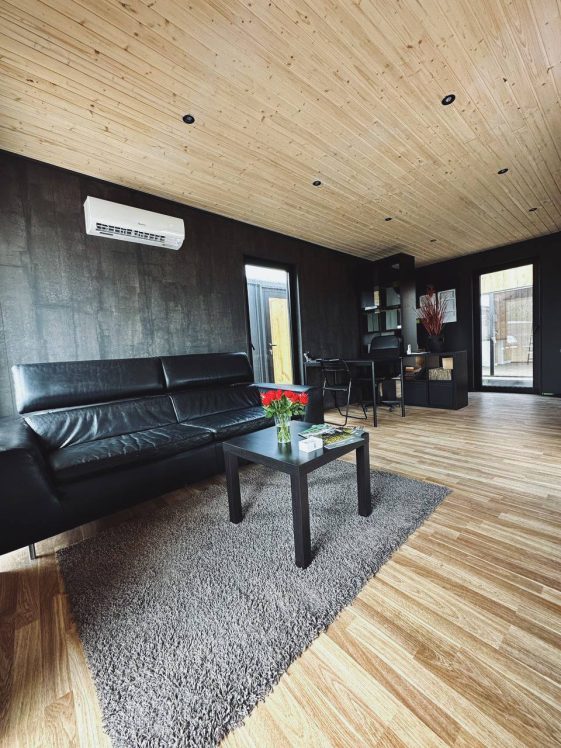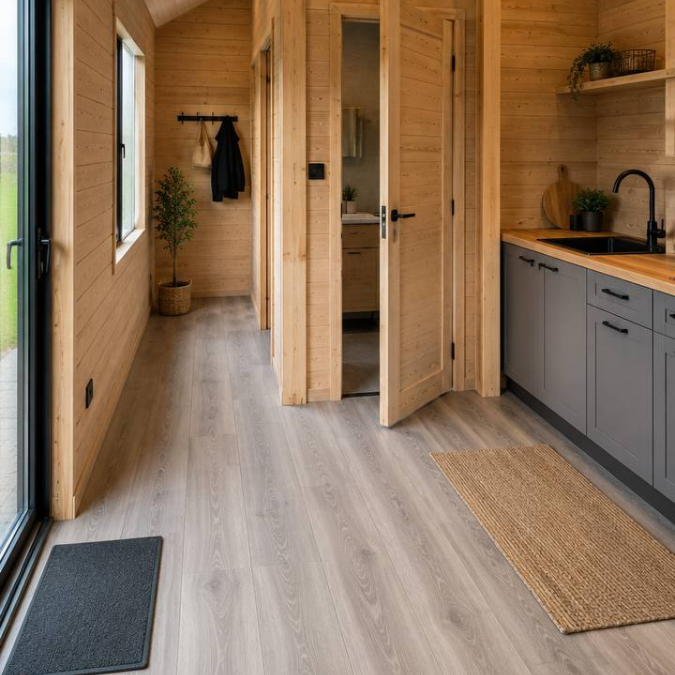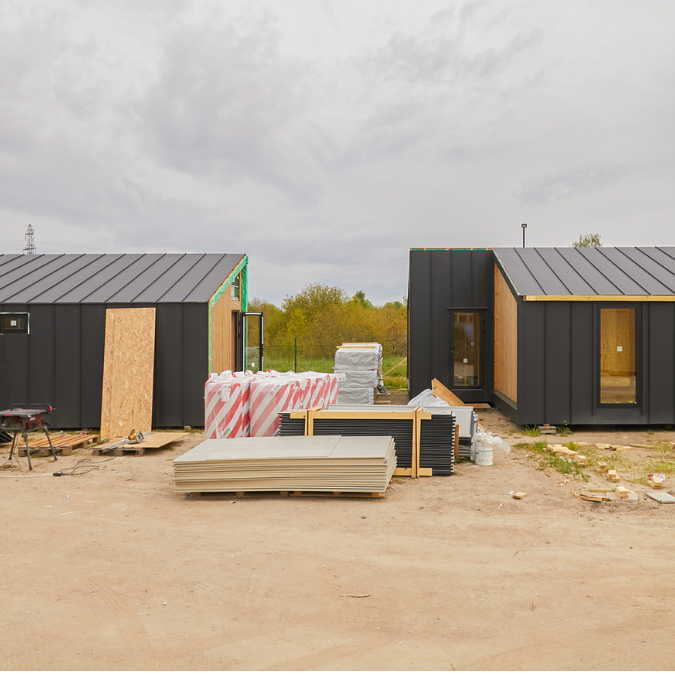
A modular home, like any other property, requires regular maintenance. Although its construction may be designed for long-term use, its condition also depends on how well the roof, facade, windows, doors, insulation and other components are maintained. Identifying minor issues early helps prevent more extensive repairs and keeps your home in good condition.
Maintaining a modular home does not have to be complicated or time-consuming. In many cases, it is enough to inspect the main parts of the house carefully once a year, remove accumulated dirt and check for moisture, damage or other changes. Spring or early summer is usually the best time to do this, as it is easier to identify issues that may have developed over winter and plan any necessary repairs.
1. Roof and Rainwater Drainage
The roof is one of the most important structural elements of a home, so its condition should be checked every year. During winter, snow, ice and debris may accumulate on the roof, while temperature fluctuations can cause damage or displace certain components.
Inspect the roof covering for damage or deformation and make sure rainwater can drain freely. If gutters are installed, check whether they contain leaves, twigs or other debris.
It is also worth inspecting roof joints and other areas where water could enter. If you notice signs of moisture inside the house, it is important to identify the cause as soon as possible.
2. Facade and Exterior Walls
The facade not only determines the appearance of a modular home but also helps protect the structure from environmental conditions. Each year, check whether the exterior finish is intact and look for cracks, loose components or signs of moisture.
Pay particular attention to joints between different elements, as well as corners and the areas around windows and doors. Do not ignore any damage you discover, as even a minor defect can develop into a more serious problem over time.
If your home has a timber facade, the maintenance required will depend on the type of wood, the finish and the manufacturer’s recommendations. Depending on its condition, you may need to clean the surface, renew its protective coating or replace damaged components.
3. Windows, Doors and Sealing
Windows and doors are important not only for comfort but also for retaining heat. Over time, seals can wear out, window and door sashes may shift, or gaps may develop, allowing cold air and moisture to enter.
Each year, check that windows and doors open and close easily, locks work properly and seals are not damaged. Also inspect the sealing around window and door frames.
If you notice cold draughts coming through windows or doors during winter, rooms cooling down more quickly than usual or condensation forming, it is worth investigating the cause. Sometimes, adjusting the hardware or replacing the seals is sufficient, but other situations may require a more thorough assessment.
4. Insulation and Signs of Moisture
Proper insulation helps maintain a comfortable indoor temperature and reduces heat loss. However, even a well-insulated home should be monitored for signs of moisture, mould or unusual odours.
Inspect the corners of walls, ceilings and floors, the areas around windows and other places where moisture may accumulate. If you notice dark spots, peeling finishes or persistently damp surfaces, the source of the problem should be identified.
Remember that moisture can result not only from structural damage but also from inadequate ventilation or improper use of the rooms. Modular home maintenance therefore involves more than inspecting the exterior – it also includes maintaining a suitable indoor environment.
5. Ventilation System
Proper ventilation helps remove excess moisture and maintain good indoor air quality. This is particularly important in bathrooms and kitchens, where more water vapour is generated during everyday activities.
If your home has a mechanical ventilation system, maintain its filters and other components according to the manufacturer’s recommendations. Also check that air supply and extraction vents are not blocked.
If your home relies on natural ventilation, make sure air vents are not covered and that the rooms can be adequately ventilated. If you notice persistent window condensation or moisture accumulation, consider whether the existing ventilation system meets the needs of your home.
6. Heating System and Electrical Equipment
Before the cold season begins, check that your heating system is working properly. This is important whether you live in your modular home all year round or use it as a holiday home during certain seasons.
If your home has a heat pump, electric radiators or underfloor heating, follow the maintenance instructions provided by the equipment manufacturer. Check that the controls work correctly and look for unusual noises, error messages or other changes in performance.
It is also worth inspecting electrical sockets, switches and other visible electrical components. If you notice signs of overheating, damage or other faults, contact a qualified professional rather than attempting to resolve the issue yourself.
7. Plumbing and Drainage
The condition of your plumbing and drainage systems should also be assessed at least once a year. Check accessible areas under sinks, around the water heater and elsewhere for signs of leaks. Pay attention to unusual odours, slowly draining water or changes in water pressure.
If your modular home is used throughout the year, make sure the water supply system is adequately protected against freezing temperatures. If your holiday home will remain unused during winter, the plumbing and other equipment may need to be prepared according to the manufacturer’s recommendations. Regular inspections help identify minor faults early and prevent more extensive damage.
8. Terrace and the Surrounding Area
If your home has a terrace, include it in your annual maintenance checklist. Inspect the decking boards, fastenings, supports and other visible structural components. Check for loose parts, cracks or areas where water accumulates.
The maintenance required for a timber terrace depends on the type of wood and its protective coating. A WPC terrace may only require regular cleaning and condition checks, but in all cases, it is important to follow the recommendations provided by the specific decking manufacturer.
Also inspect the ground around your home. Water should not accumulate persistently next to the building, and plants should not obstruct rainwater drainage or come into contact with structural elements in ways that encourage moisture accumulation.
If you are planning a new terrace or other outdoor features, it is worth coordinating them with the house structure and the conditions of your plot. MM Statyba also builds terraces and roof structures, allowing you to plan a cohesive solution for your home and its surroundings.
9. What If Your Modular Home Is Not Used During Winter?
Not every modular home is designed for year-round living. Some are used as summer houses, garden cabins or holiday retreats and therefore require additional preparation before the cold season.
If your home will remain unoccupied during winter, it is worth taking the following steps:
- Inspect the roof, facade, windows and doors.
- Remove leaves from the gutters and ensure rainwater can drain properly.
- Prepare the plumbing and water heating equipment according to the relevant system instructions.
- Check that moisture is not accumulating indoors.
- Safely switch off electrical appliances that are not needed.
- Make sure the home is securely locked and outdoor belongings are protected from the weather.
If your modular home will continue to be used during winter, check the heating system, insulation and water supply systems in advance. Different homes may require different solutions, so always follow the maintenance instructions for your specific model and equipment.
10. How Often Should You Carry Out Home Maintenance?
Some maintenance tasks can be performed once a year, while others should be checked more frequently. For example, after severe storms, inspect the roof and rainwater drainage system. If you notice a leak or signs of moisture, do not wait until the next scheduled inspection.
It is useful to create a simple annual maintenance checklist and keep a record of completed tasks. This makes it easier to identify recurring problems, remember when the facade coating was last renewed and plan repairs in good time.
Keep in mind that maintenance requirements depend on the home’s construction, materials, age and environmental conditions. A general checklist is a good starting point, but it does not replace the specific recommendations provided by the home manufacturer.
Modular Home Maintenance Starts at the Design Stage
Proper maintenance is important for every home, but some future maintenance tasks can be made easier before construction even begins. When planning a modular home, consider not only its size and appearance but also its insulation, window and door placement, utility connections and chosen finishing materials.
MM Statyba manufactures modular and timber-frame homes that can be adapted to individual needs. You can modify the interior layout, determine window and door positions, choose insulation solutions and plan electrical and plumbing connections. You can also coordinate your home with a terrace or roof structure.
Whether you are choosing a small modular cabin or a modular mobile timber-frame home for year-round living, it is worth finding out in advance what maintenance your chosen model and its materials will require.
Modular home maintenance is not a one-time task. It involves regularly checking the condition of the roof, facade, windows, doors, insulation, ventilation, heating and utility systems. By setting aside a little time for an annual inspection, you can identify minor damage early, plan repairs in good time and help keep your home comfortable to use.
MM Statyba can help you plan a modular or timber-frame home to suit your individual needs. Choosing the right structural and finishing solutions can make maintenance requirements easier to understand from the very beginning.